
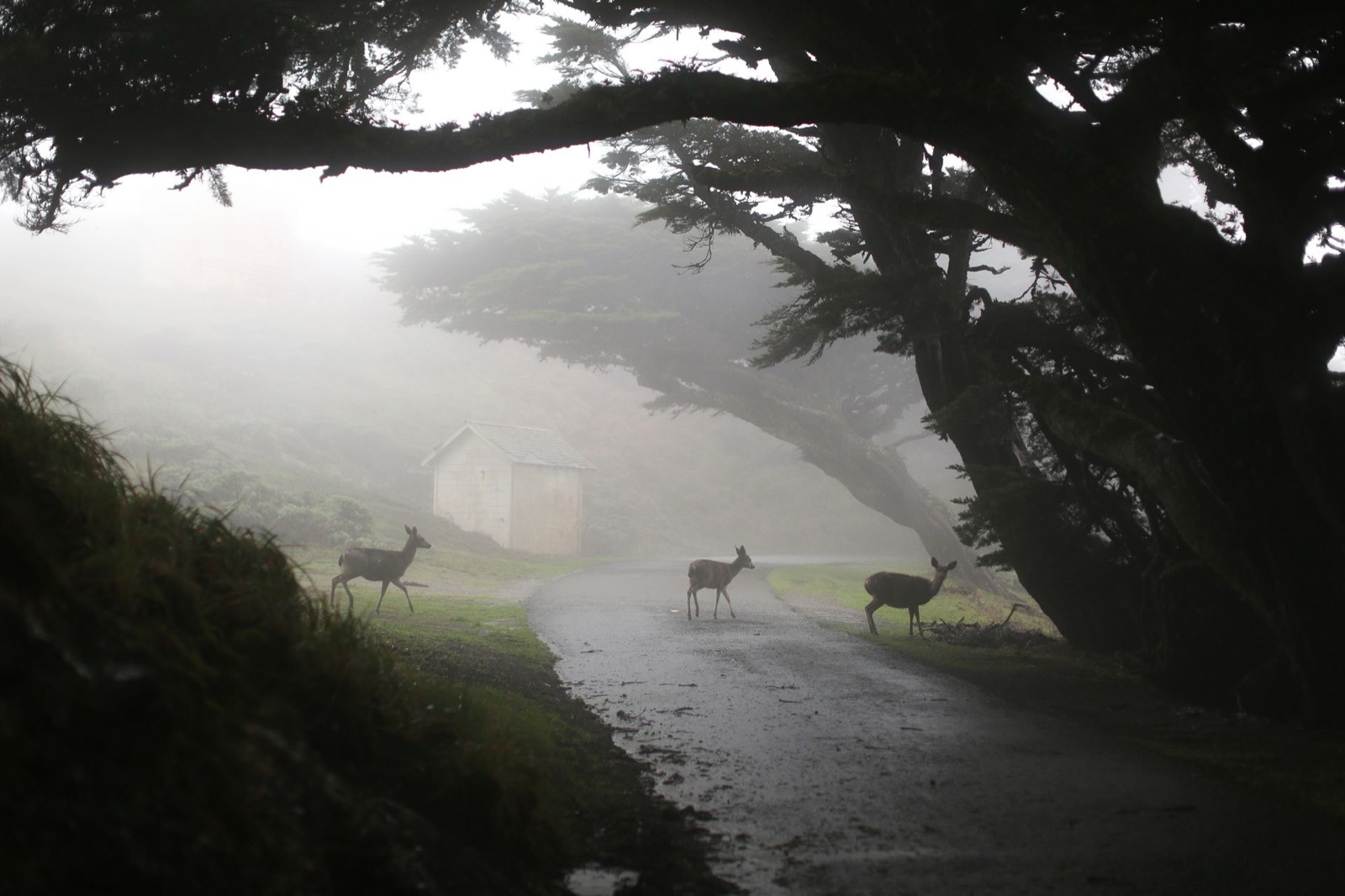
Found an animal on the road? Know the rules first.
Clear, sourced guidance on wildlife salvage and roadkill recovery for every U.S. state and Canadian province: what you can take, whether you need a permit, who to call, and how to do it safely.
Salvage laws ahead
64 states, provinces and territories
What to do when you find an animal
Salvage is legal in many places, but the details matter. Follow these steps in order, every time.
Make it safe
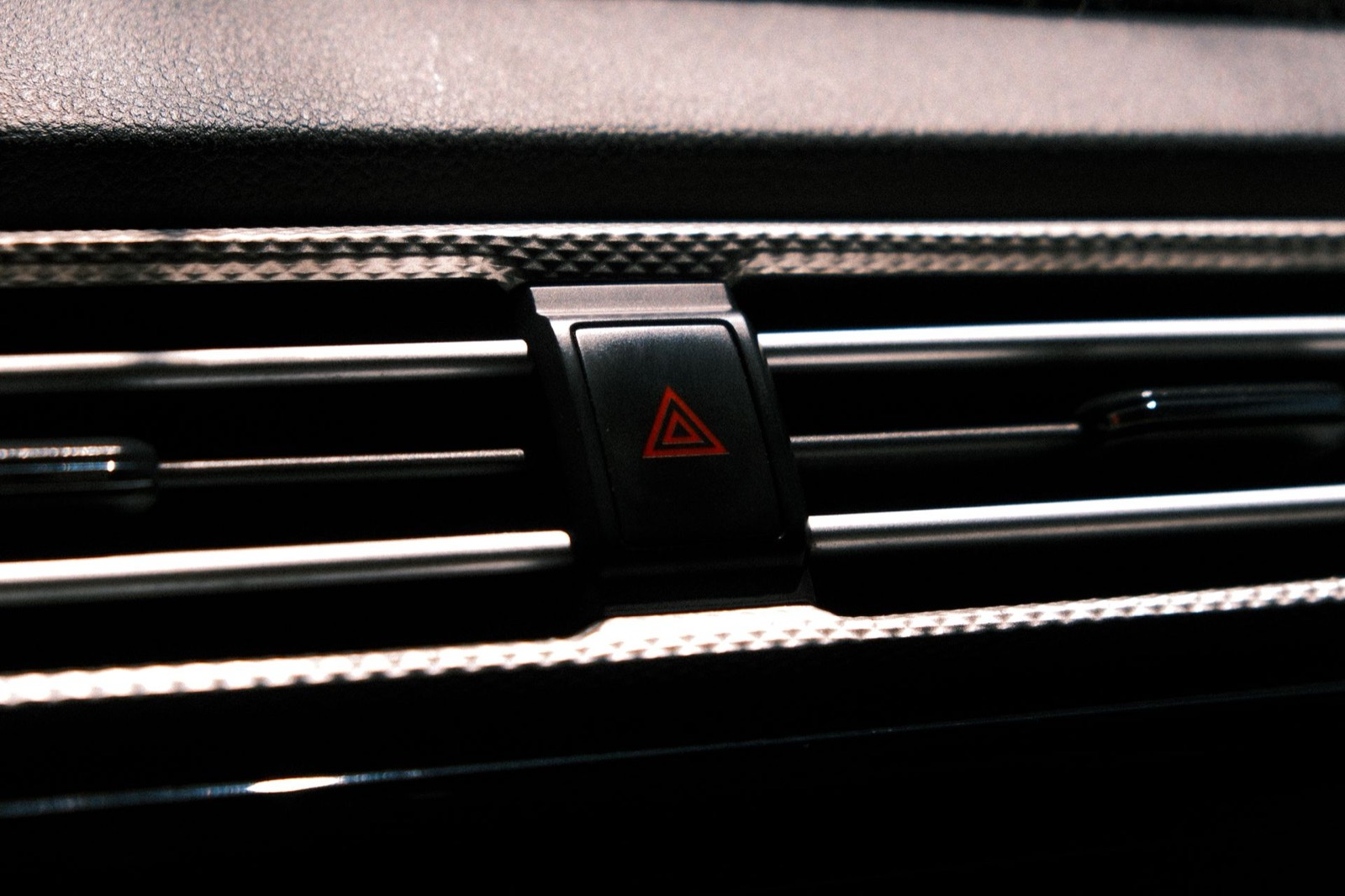
Pull fully off the road, turn on your hazard lights and watch traffic. Never stand in a lane.
Check it's dead
Don't touch an injured animal. Call police or the wildlife agency and keep your distance.
Check your state's rules
Find out which species you may take and whether you need a permit or a report.
Report or get a permit
Many states require notice within 24 hours, or a permit before you move the animal.
Process it properly
Inspect the meat, cool it fast, and follow carcass and disease rules for transport.
Rules change at every state line
Some states let you take a road-killed deer or elk with a quick online report. Others require a permit first, limit which species you can keep, or don't allow salvage at all. Carcass movement rules for chronic wasting disease can apply even when salvage is legal.
Each state guide covers:
- Which animals you can legally salvage
- Permit and reporting requirements, and deadlines
- Transport and carcass disposal rules
- What you can keep: meat, hide, antlers, skull
- Links to the official agency and the law itself
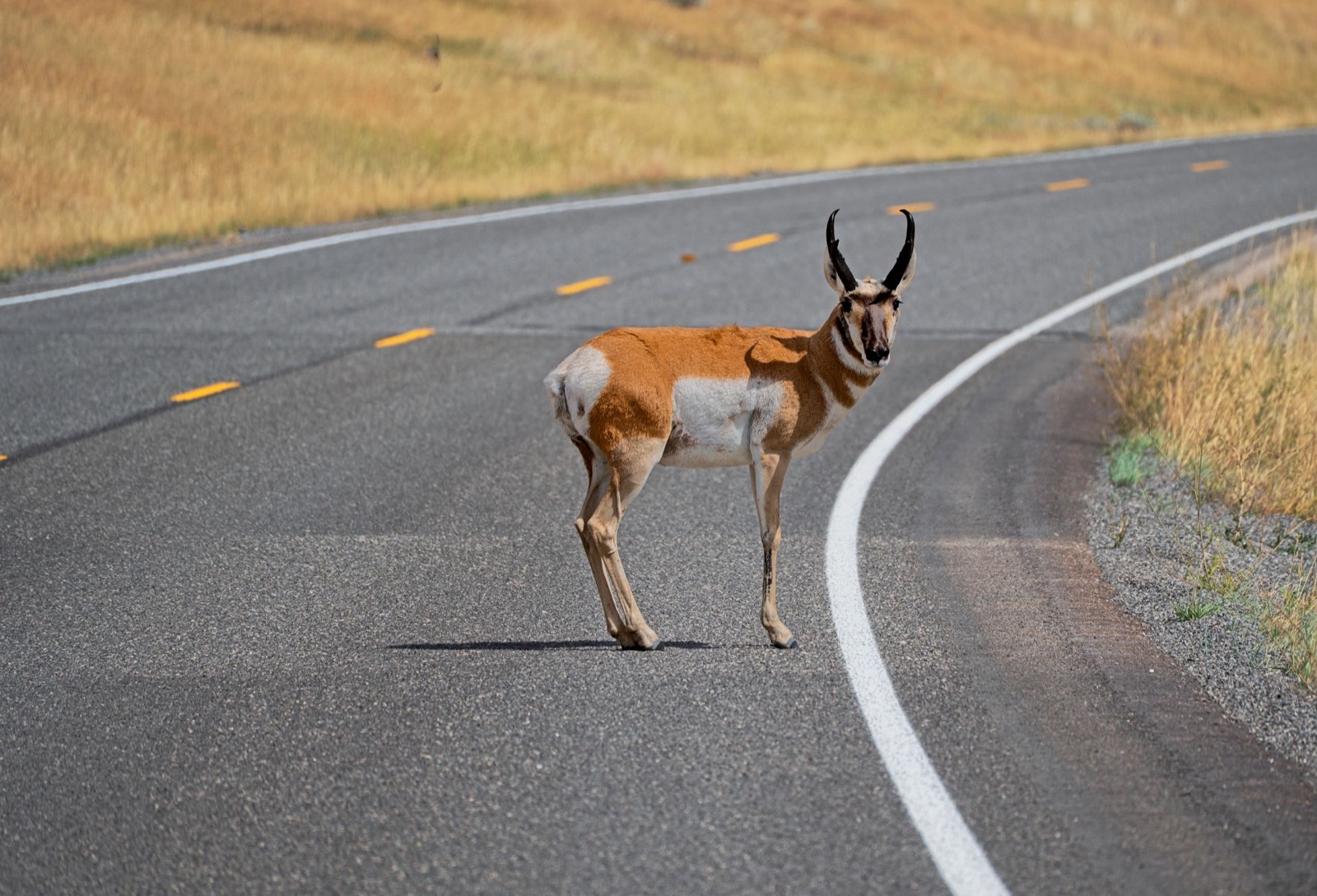
Learn the whole process
Practical, plain-language guides for every stage, from the roadside to the freezer.

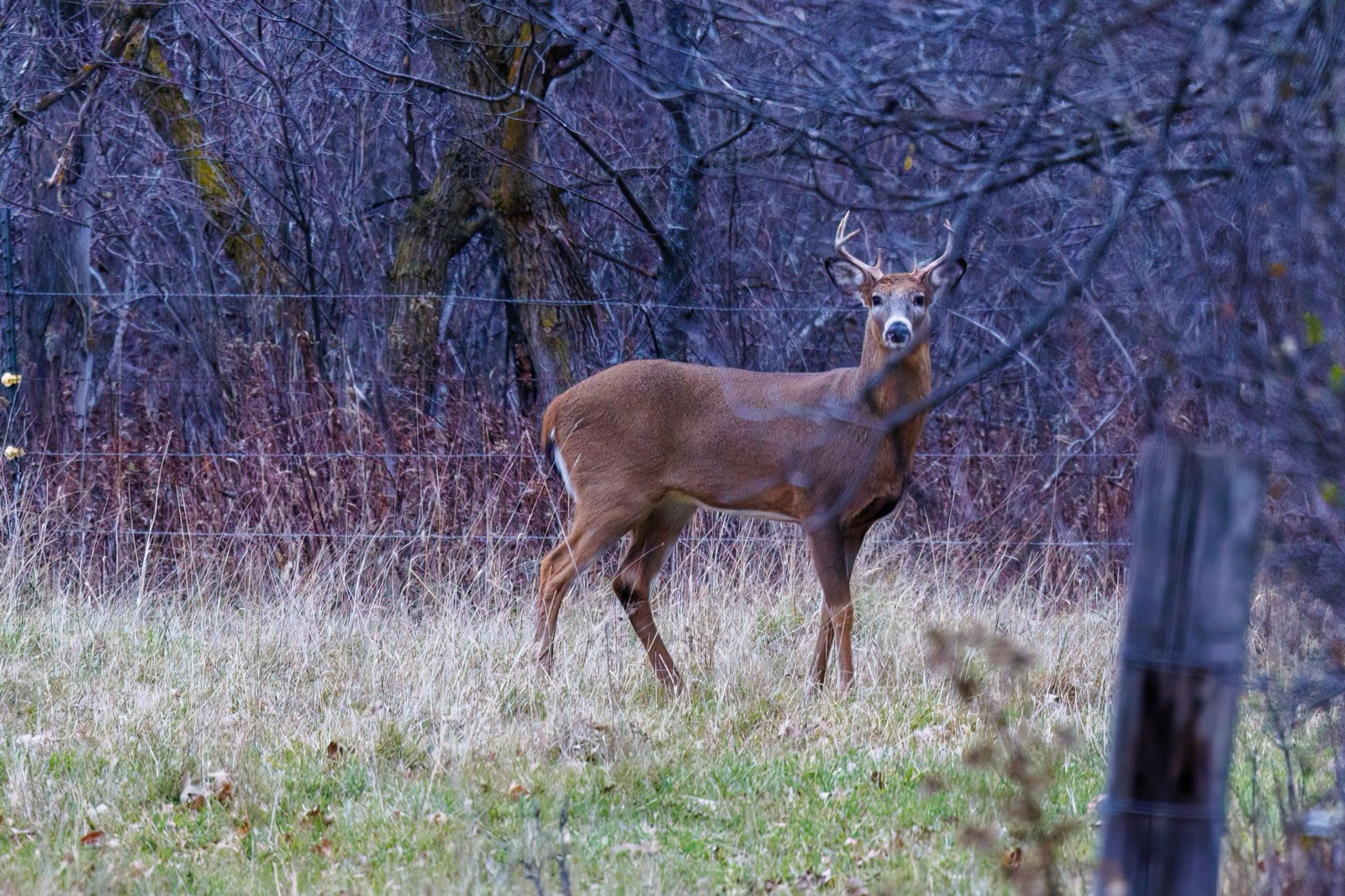
Why wildlife salvage matters
Every year more than a million deer alone are hit by vehicles in North America. Most are left to rot by the road or hauled to a landfill. Responsible salvage turns an unfortunate accident into food, leather and craft materials, and treats the animal with respect instead of as waste.
Done legally, salvage reduces waste, supports self-reliance and traditional skills, and connects people to the land and to conservation.
Get updates when new state guides go live
New state laws, salvage guides, processing tutorials and gear recommendations. No spam, unsubscribe any time.